
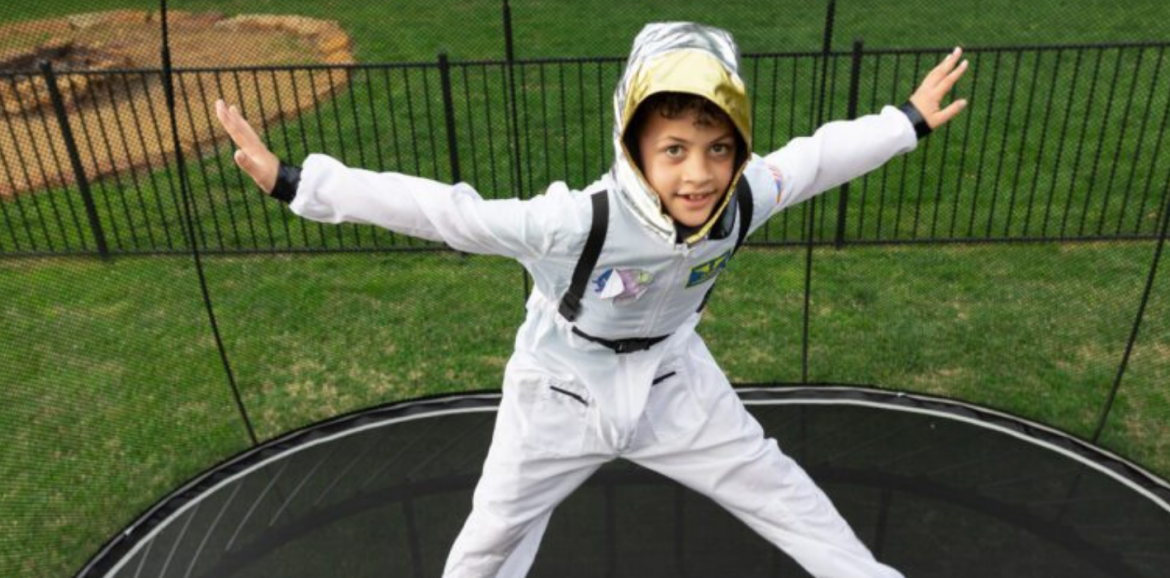
Summary: Could Bouncing Be the Key to Better Health? Beyond childhood fun, rebounding offers a low-impact yet highly effective exercise for all ages. Backed and approved by NASA research, it’s time to explore how this simple activity can revolutionize your health.
Reading Time: 5 minutes
What is Rebounding?
Rebounding is a low-impact exercise performed on a small trampoline, also known as a rebounder. It involves bouncing, jumping, and performing various exercises on the flexible surface. Unlike traditional high-impact exercises, rebounding is gentle on the joints, making it suitable for people of all ages and fitness levels. It provides a unique combination of cardiovascular, strength, and lymphatic benefits.
The NASA Connection: What NASA Research and Science Says About Rebounding
Rebounding gained significant attention due to a NASA study conducted in 1980 by A. Bhattacharya, E.P. McCutcheon, T. Shvartz, and J.E. Greenleaf, titled “Antigravity treadmill to counteract the deconditioning effects of prolonged bed rest.” The study, referenced here https://pubmed.ncbi.nlm.nih.gov/7429911/, compared the benefits of rebounding to running and other exercises.
Their findings revealed that rebounding was significantly more efficient than running in terms of oxygen consumption and gravitational force, suggesting it was a highly effective exercise for improving cardiovascular fitness and overall health. The G-force experienced during rebounding strengthens cells throughout the body.
Benefits of Rebounding: A Holistic Approach
Rebounding offers a range of potential benefits, impacting various aspects of health:
- Improved Cardiovascular Health: Rebounding is an excellent cardiovascular exercise that improves heart health, circulation, and oxygen delivery to cells.
- Enhanced Lymphatic Drainage: The up-and-down motion of rebounding stimulates the lymphatic system, helping to remove toxins and waste from the body.
- Strengthened Bones and Muscles: Rebounding strengthens bones and muscles, improving bone density and reducing the risk of osteoporosis.
- Improved Balance and Coordination: Rebounding improves balance, coordination, and proprioception (awareness of body position).
- Stress Reduction and Mood Enhancement: Rebounding releases endorphins, which have mood-boosting and stress-reducing effects.
- Weight Loss and Metabolism Boost: Rebounding burns calories and boosts metabolism, aiding in weight loss and maintenance.
- Low Impact Exercise: Because of the rebounder’s ability to absorb impact, it places far less stress on joints and muscles than many other exercises.
Well-known Dr Eric Berg DC also summarizes the benefits well in his whiteboard approach:
Remember that while anecdotal evidence is widespread, it’s crucial to consult with a healthcare professional for any serious health concerns.
How to Rebound Safely and Effectively
To maximize the benefits of rebounding and minimize the risk of injury, follow these guidelines:
- Choose a Quality Rebounder: Invest in a sturdy, well-made rebounder with a good suspension system.
- Start Slowly: Begin with short rebounding sessions (10-15 minutes) and gradually increase the duration and intensity.
- Proper Form: Maintain good posture, keep your core engaged, and land softly on the rebounder.
- Warm-Up and Cool-Down: Warm up before rebounding and cool down afterward with stretching exercises.
- Listen to Your Body: Pay attention to your body’s signals and stop if you experience any pain or discomfort.
- Variety: Incorporate a variety of exercises into your rebounding routine, such as bouncing, jumping jacks, twists, and marches.
- Footwear: Most people rebound barefoot, but comfortable athletic shoes may also be worn.
Integrating Rebounding into Your Daily Life
Rebounding is not just a workout; it’s a lifestyle choice. Incorporate rebounding into your daily routine to enhance your overall well-being. Rebound in the morning to energize your day, during your lunch break to relieve stress, or in the evening to improve sleep. Small changes can make a big difference. It can also be a great addition to a home fitness routine, allowing you to get a full cardiovascular workout without leaving the house.
Conclusion: Bounce Your Way to Better Health
Rebounding offers a fun, effective, and low-impact way to improve your physical and mental well-being. Backed by NASA research and supported by countless testimonials, it’s a holistic exercise that benefits the entire body. Embrace the power of rebounding and bounce your way to a healthier, happier you. Remember to consult with a healthcare professional for any health concerns and before making any significant changes to your health regimen.
Visit Holistic Health for more information on natural therapies and holistic wellbeing.
Stay healthy!
References
- NASA Study: Bhattacharya, A., McCutcheon, E. P., Shvartz, E., & Greenleaf, J. E. (1980). Antigravity treadmill to counteract the deconditioning effects of prolonged bed rest. Journal of Applied Physiology, 49(5), 872-878. https://pubmed.ncbi.nlm.nih.gov/7429911/
- Springfree Trampoline: https://www.springfreetrampoline.com/blogs/beyond-the-bounce/nasa-trampoline-study – Referenced for insights on the NASA study and its implications.
- World Health Organization (WHO): https://www.who.int/ Note: The WHO promotes physical activity for overall health and well-being. Rebounding aligns with this recommendation.
- Holistic Health: https://holistichealth.i3lance.co.uk/ – For further reading on holistic approaches to health.
Disclaimer
This article is for informational purposes only and does not constitute medical advice. Always consult with a healthcare professional before starting any new exercise program, especially if you have any underlying health conditions.